Search interest in Norwegian food has never been higher, and I suspect half of it is people fact-checking whether the sheep's head thing is real. (It is. We have an article about it.) But viral shock-food is a lousy map of how Norwegians actually eat. The real cuisine is a story of a poor, cold country that learned to preserve everything, got rich, and kept eating like it was still poor, out of love.
Here's the complete picture: the daily food, the holiday food, and the dares.
Quick facts: Norwegian food
- National dish: fårikål (lamb and cabbage stew), voted in 1972, re-confirmed 2014.
- Daily reality: bread, pålegg and the matpakke packed lunch; dinner at 4-5pm.
- Friday: tacos. Nationally. This is not a joke.
- Saturday: often Grandiosa frozen pizza, the true national dish by volume.
- Icons: brunost, salmon, kjøttkaker, raspeballer, skillingsboller, vafler.
- Boss level: rakfisk, lutefisk, smalahove.
How Norwegians actually eat, Monday to Friday
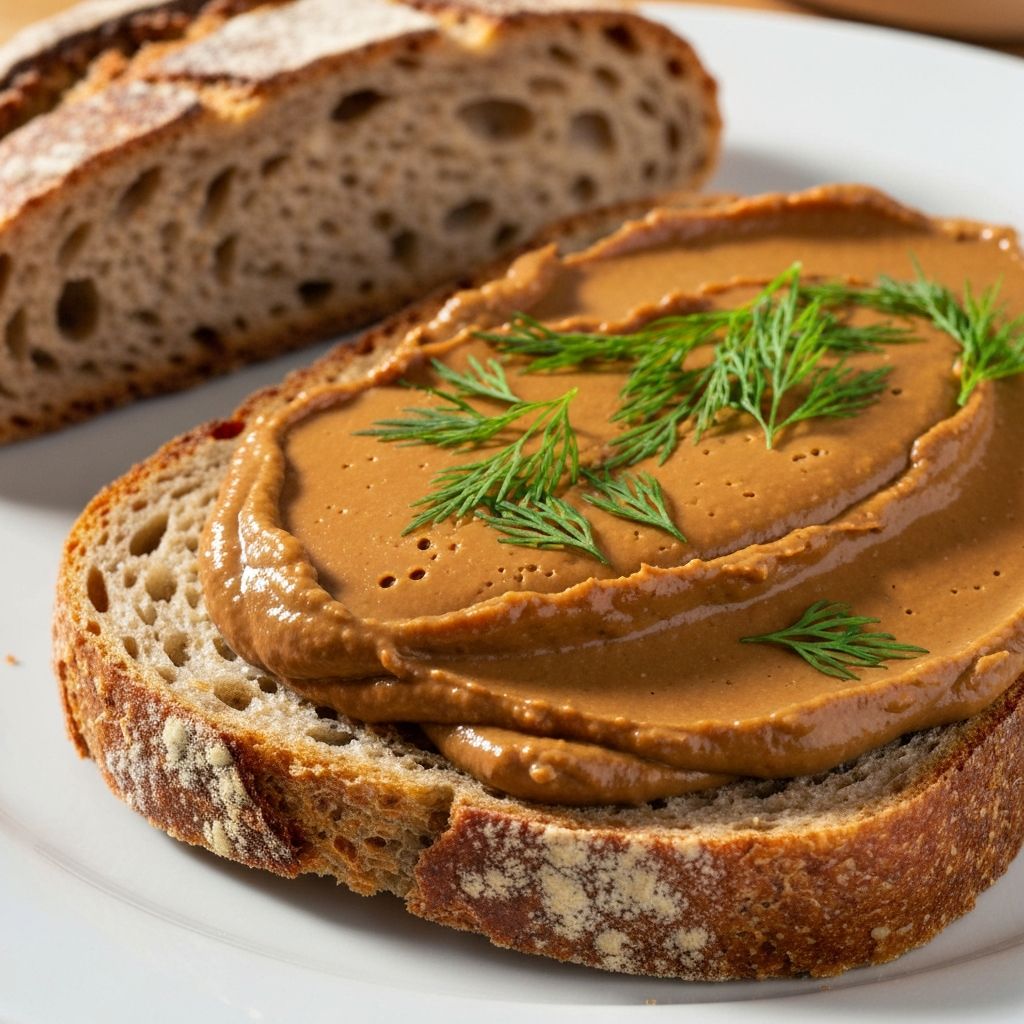
Forget the postcard. The Norwegian food day is bread-based and ruthlessly efficient: bread with pålegg (toppings, a word English embarrassingly lacks) for breakfast, the matpakke at lunch, and a hot dinner at what Americans would call late lunch, 4 to 5pm. The matpakke deserves anthropological respect: identical open-faced sandwiches separated by special paper, consumed at the desk in ten minutes flat. No lunch culture on earth is more honest about lunch being fuel.
Weeknight dinners are pasta, salmon, sausages and the sacred rotation that ends in Friday tacos, a tradition so entrenched that supermarkets build their entire week's promotions around it.
The icons worth crossing an ocean for
Brunost, the caramel-colored whey "cheese," is Norway's most famous edible export and mandatory on waffles; our complete brunost guide covers the cult. Norwegian salmon is world-class and, fun fact, Norway is the reason Japan puts salmon in sushi, a 1980s marketing campaign that actually worked. Kjøttkaker, hand-formed meatballs in brown gravy with lingonberries, is grandmother food at its finest. Skillingsboller (Bergen's cinnamon buns), svele (ferry pancakes), and vafler with sour cream and jam handle dessert diplomacy. And every hike legally concludes with a Kvikk Lunsj on a summit.
"Norwegian cuisine is what happens when a country asks 'how do we make this fish last until April?' and then never stops asking, even after striking oil."
The national dish nobody expected
Fårikål is lamb, cabbage, whole peppercorns and water, simmered for hours until the house smells like a wool sweater in the best way. It won a 1972 radio vote for national dish and won again in 2014 when the government re-ran the contest, presumably hoping for something more Instagrammable. It even has an official feast day, the last Thursday of September. It is humble, it is beige, and it is genuinely delicious, which makes it the most Norwegian food possible.
Preservation nation: the old survival foods
Before refrigeration, Norway salted, dried, smoked and fermented its way through winter, and those techniques became the holiday canon: pinnekjøtt (salted, dried lamb ribs), lutefisk (dried cod resurrected in lye, a sentence I stand behind), rakfisk (fermented trout, eaten raw with onions and sour cream), and klippfisk, the salted cod that built coastal fortunes and became bacalao. Most of these now appear mainly around Christmas, when nostalgia overrides the palate. Raspeballer, the dense potato dumplings known by a different name in every fjord (komle, klubb, raspeball, fighting words all), still commands a weekly slot in western Norway.
The dares
Then there's the tier that exists to test you. Smalahove is a salted, smoked, boiled sheep's head served with the eye as the delicacy. Rakfisk smells like a crime scene and tastes, honestly, pretty good. Lutefisk has the texture of savory jello and a fan base that skews 70+. None of this is daily food, and any Norwegian claiming otherwise is hazing you. Accept the hazing. It's how friendship works here.
Common questions about Norwegian food
What's the national dish?
Fårikål, lamb-and-cabbage stew, voted in 1972 and again in 2014, celebrated the last Thursday of September.
What do Norwegians eat daily?
Bread with pålegg, a matpakke lunch, early hot dinner; tacos on Friday, often frozen pizza on Saturday.
What should visitors try first?
Brunost on waffles, fresh salmon, kjøttkaker, skillingsboller, and fårikål if it's autumn.
Is the sheep's head real?
Yes. Smalahove is a western Norway Christmas-season tradition, and yes, the eye is considered the good part.
Hungry for context? See how the food fits the calendar in our guides to Christmas in Norway, Norwegian Easter, and the grocery stores where it all begins: Norwegian supermarkets decoded.