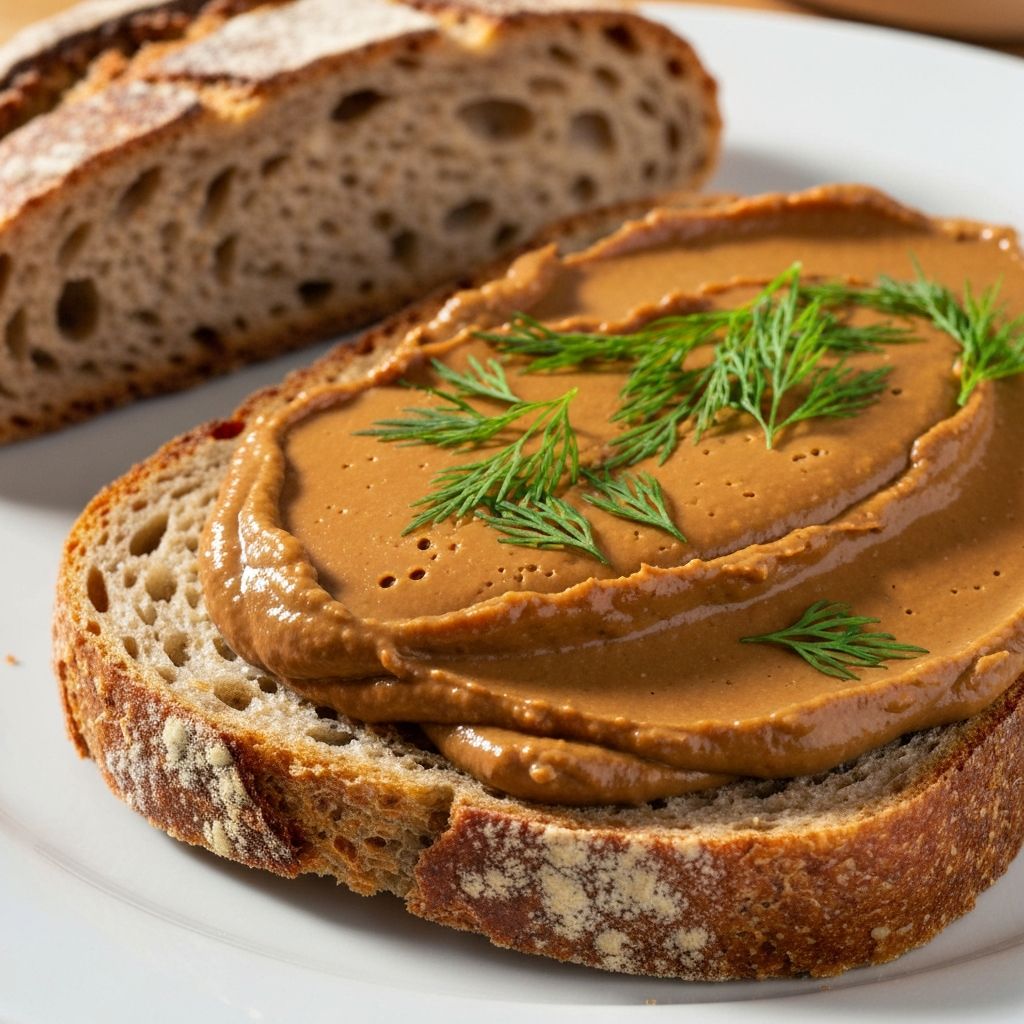
As a newcomer to Norway, one of the first questions locals will ask is: "Have you tried brunost yet?" This distinctive caramel-colored cheese is more than just a food—it's a national symbol, a point of pride, and for many foreigners, a surprisingly polarizing taste experience.
Watch: Americans Try Brunost for the First Time
First-time reactions to brunost in Oslo - the surprise on their faces is priceless!
What Exactly Is Brunost?
Despite the name translating to "brown cheese," brunost isn't technically a cheese in the traditional sense. It's made from whey—the liquid byproduct left over after making regular cheese—combined with milk and cream. The mixture is slowly cooked for hours until the water evaporates and the natural milk sugars (lactose) caramelize, creating its signature brown color and distinctive sweet, tangy, caramel-like flavor.
The result is a firm, sliceable block with a fudge-like texture that's completely unique in the world of dairy products. There's truly nothing else quite like it.
"Brunost is not just food to Norwegians—it's nostalgia, it's childhood memories, it's home. Every thin slice carries generations of tradition."
The Fascinating History: Anne Hov's 1863 Innovation
The brunost we know today owes its existence to a remarkable woman named Anne Hov. In 1863, while working on her family's mountain farm at Solbrå in the Gudbrandsdalen valley, Anne had a revolutionary idea.
For centuries, Norwegian farmers had been making a simple, lean whey product called prim. But Anne experimented with adding fresh cream to the boiled whey, creating a richer, firmer, and more flavorful product. She initially called it Feitost ("Fat Cheese"), which later became known as Gudbrandsdalsost—named after her home valley.
Timeline: The Rise of Brunost
Norwegian farmers make simple prim from leftover whey as a way to reduce food waste.
Anne Hov invents modern brunost by adding cream to whey at Solbrå farm in Gudbrandsdalen.
Thor Bjørklund invents the ostehøvel (cheese slicer)—inspired by a carpenter's plane.
Anne Hov receives the King's Medal of Merit in silver for her contribution to Norwegian food culture.
The "Brunost tunnel fire"—a truck carrying 27 tons of brunost catches fire, burning for 5 days due to the high fat and sugar content.
Over 12 varieties of brunost are produced, consumed by 90% of Norwegian households.
The Different Types of Brunost
Not all brunost is created equal. The variety depends on the type of milk used (cow, goat, or a mixture) and the amount of cream added:
Gudbrandsdalsost
The Original Classic
Made from a blend of goat and cow's milk whey with cream. This is the most popular variety and what most people think of as "brunost." It has a rich, sweet flavor with subtle goaty undertones.
Fløtemysost
The Mild One
Made exclusively from cow's milk whey with cream. Milder and sweeter than Gudbrandsdalsost, this is often recommended for brunost beginners or those who find the goat varieties too strong.
Ekte Geitost
The Strong One
Made entirely from goat's milk whey. This variety has the strongest, most distinctive flavor—tangy, complex, and intensely "goaty." For adventurous eaters only!
Prim / Messmør
The Spreadable One
A softer, more spreadable version of brunost with a consistency closer to peanut butter. Great for those who want the flavor without needing to slice.
Watch: Exploring Norway's Brown Cheese
The Ostehøvel: Norway's Greatest Invention?
You cannot properly eat brunost without understanding the ostehøvel—the Norwegian cheese slicer. This simple but ingenious tool was invented in 1925 by carpenter Thor Bjørklund from Lillehammer.
The story goes that Bjørklund was frustrated with trying to slice cheese evenly with a knife. Inspired by his carpenter's plane, he created a flat blade with a slit that produces perfectly thin, even slices every time. The invention was so successful that it's now found in virtually every Norwegian household and has been exported worldwide.
Pro Tip: Slicing Technique
For the perfect brunost slice, hold the ostehøvel at a shallow angle and apply light, even pressure. The slice should be thin enough to see light through—Norwegians believe this brings out the best flavor. Too thick and it becomes overwhelming!
How Norwegians Actually Eat Brunost
Brunost is incredibly versatile, but there are some traditional ways it's enjoyed:
- On bread or crispbread (knekkebrød): The most common way. A slice of brunost on fresh bread with butter is a classic Norwegian breakfast or lunch.
- On Norwegian waffles: Heart-shaped waffles topped with brunost and sour cream or jam—pure comfort food.
- In brown sauce: Brunost is often grated into sauces for game meats like reindeer, elk, or venison, adding depth and sweetness.
- With fresh fruit: Apples and pears pair beautifully with brunost's caramel notes.
- In baking: Some Norwegian recipes incorporate brunost into cookies, cakes, and even ice cream.
"The first time I tried brunost, I thought someone was playing a joke on me. Sweet cheese? It took three attempts before I understood the magic. Now I can't imagine breakfast without it."
The Great Brunost Tunnel Fire of 2013
In January 2013, a truck carrying 27 tons of brunost caught fire inside the Brattli Tunnel in northern Norway. Due to the high fat and sugar content of the cheese, the fire burned for five days and caused significant damage to the tunnel.
The incident made international headlines and became somewhat of an internet sensation. It also demonstrated just how much Norwegians love their brown cheese—the story sparked genuine concern about brunost supply disruptions!
Watch: Norwegian Food Tour Featuring Brunost
Brunost features prominently in this Oslo food tour—served on salmon, of course!
Tips for First-Time Brunost Tasters
Do:
- ✓ Start with Fløtemysost (the mildest variety)
- ✓ Slice it very thin—paper thin is ideal
- ✓ Try it on a waffle with sour cream first
- ✓ Give it at least three tries before deciding
- ✓ Keep an open mind—it's unlike any other cheese
Don't:
- ✗ Eat it in large chunks—the flavor is overwhelming
- ✗ Start with Ekte Geitost (too strong for beginners)
- ✗ Judge it against regular cheese—it's a different category
- ✗ Give up after one taste if you don't like it
- ✗ Tell a Norwegian you hate brunost (prepare for a lecture!)
Where to Buy Brunost
In Norway, brunost is available in every grocery store—Rema 1000, Kiwi, Meny, and Coop all stock multiple varieties. You'll find it in the refrigerated dairy section, usually near the regular cheeses.
Outside Norway, look for brunost at:
- IKEA (they often stock Gudbrandsdalsost in their food market)
- Specialty Scandinavian food stores
- Online retailers specializing in Nordic products
- Some well-stocked international grocery stores
"Whenever I travel abroad, brunost is the first thing I miss. There's simply nothing else like it in the world."
Frequently Asked Questions About Brunost
Is brunost actually cheese? ▼
Technically, no. Brunost is made from whey—the liquid leftover after making regular cheese—rather than curds. However, Norwegians have called it "cheese" for over 150 years, and it's treated as one culturally. Think of it as its own unique category of dairy product.
Why is brunost brown? ▼
The brown color comes from the Maillard reaction—the same process that browns bread, seared meat, and caramelized onions. When the whey, milk, and cream mixture is slowly cooked, the natural milk sugars (lactose) caramelize, creating both the color and the distinctive sweet, fudge-like flavor.
How long does brunost last? ▼
Unopened brunost can last several months in the refrigerator. Once opened, it should be consumed within 4-6 weeks. The high sugar content acts as a natural preservative. Always store it wrapped in its original packaging or plastic wrap to prevent drying out.
Is brunost healthy? ▼
Brunost contains protein, calcium, and B vitamins. However, it's also relatively high in fat and sugar (from the lactose). In thin slices as part of a balanced diet, it can be enjoyed regularly. Norwegians certainly don't seem to suffer from their daily brunost habit!
Can lactose-intolerant people eat brunost? ▼
Unfortunately, brunost contains significant lactose (which creates the sweetness), making it unsuitable for those with lactose intolerance. Some people with mild intolerance can tolerate small amounts, but it's best to proceed with caution or try lactose-free alternatives that are now available in some stores.
What does brunost taste like? ▼
Brunost has a unique sweet-savory flavor often described as caramel-like, fudgy, or reminiscent of dulce de leche—but with a slight tang and, depending on the variety, goaty notes. The texture is firm but yields easily when sliced thin. It's truly unlike any other food, which is why it takes most foreigners a few tries to appreciate it.
Continue Your Norwegian Food Journey
Ready to Try Brunost?
Start with Fløtemysost, slice it thin, and give it at least three tries. You might just discover your new favorite Norwegian tradition!