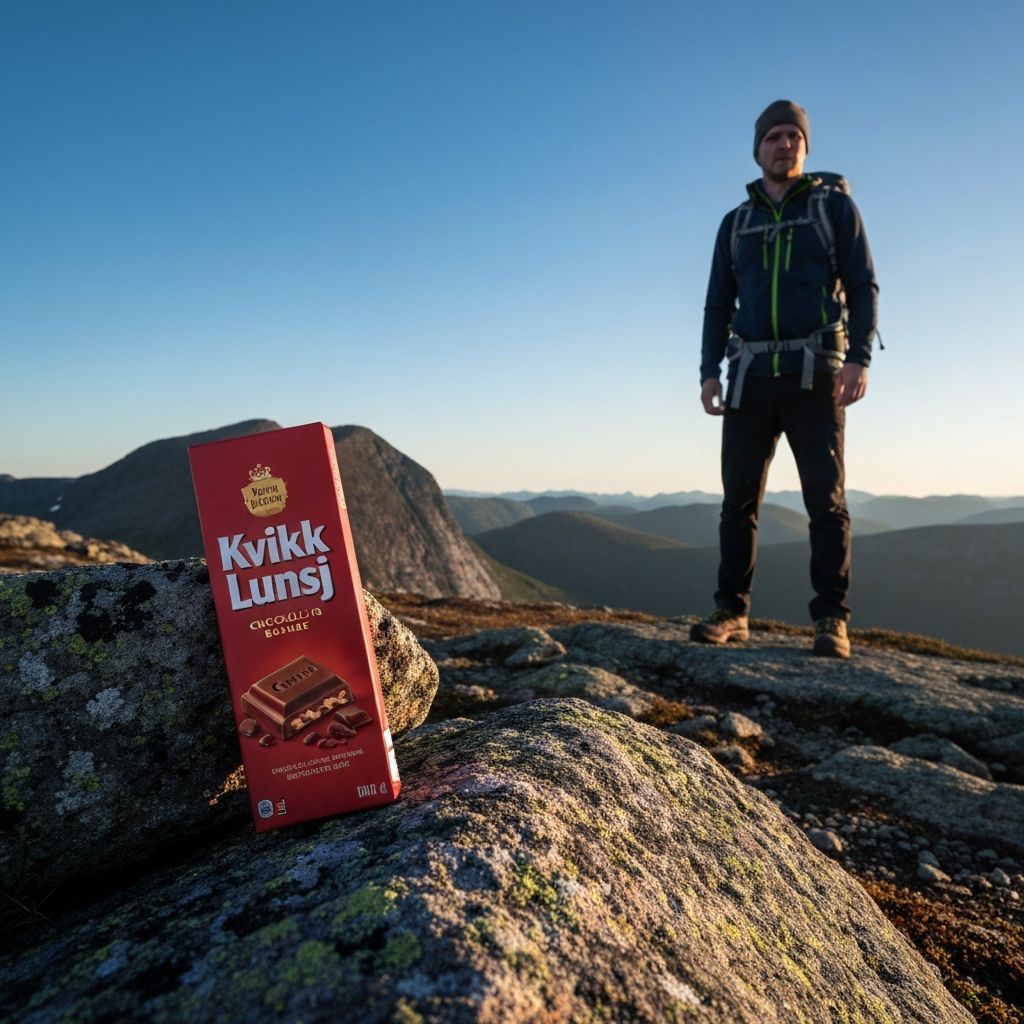
If you spend your first Norwegian Easter in Oslo expecting a normal week, you will be confused by Wednesday afternoon. The city empties. Shop shutters come down. Your Norwegian colleagues vanish into the mountains, and the ones who stay behind are quietly reading novels about people getting killed. None of this is a crisis. It is just påske, and it runs on rules that nobody writes down but everyone follows.
Easter here is less about church and more about a specific national mood: sun on snow, a thermos of hot chocolate, and a murder mystery. Once you understand the ingredients, it becomes one of the best weeks of the Norwegian year to be alive. Here is the whole thing, decoded.
Quick facts: Norwegian Easter
- Dates in 2026: Maundy Thursday 2 April to Easter Monday 6 April.
- Public holidays: Maundy Thursday, Good Friday, Easter Sunday, Easter Monday.
- Signature tradition: påskekrim, the mass consumption of crime fiction.
- Where everyone goes: the hytte (mountain cabin), for late-season skiing.
- The colour: yellow, everywhere, on everything.
- The snacks: Kvikk Lunsj, oranges, marzipan and Solo soda.
The country genuinely closes for a week
Norway takes its public holidays literally. Over Easter, four separate days are official holidays, and because they bracket a weekend, most people simply take the whole stretch off. Many workplaces let staff leave early or close entirely from the Wednesday, so what you get is a five-day-plus shutdown known as påskeferie.
For a newcomer, the practical version matters more than the calendar. Grocery stores follow strict holiday trading rules and will be closed on the big days, and Vinmonopolet is shut on every holiday. Do your shopping on the Wednesday or you will be improvising dinner from a petrol-station shelf. This is the same discipline you will meet again on 17 May and at Christmas: the Norwegian holiday is real time off, not retail theatre.
Why the whole nation reads about murder
The strangest and most charming Easter custom is påskekrim. Across the holiday, Norwegians deliberately binge crime stories. Publishers release their big thrillers for the season, NRK and TV2 line up detective dramas, and the tradition is so entrenched that milk cartons have been printed with little mystery stories to solve over breakfast.
The origin is a marketing stunt that got out of hand. In 1923 two young writers published a crime novel with a front-page newspaper advert designed to look like an actual news report of a train robbery. Readers thought a real heist had happened, the book sold out, and the link between Easter and crime never came undone.
"Nowhere else does an entire country agree to spend its holiest week curled up with fictional corpses. It is the coziest morbid tradition on earth."
If you want the short version before you commit to a 400-page Jo Nesbø, this explainer covers the phenomenon well:
Everyone heads up, not away
While much of Europe flies south for a spring beach break, a large share of Norway drives inland and upward to the family hytte. Easter is peak cabin season because the mountain snow is still deep but the sun is finally high and warm. The classic day is cross-country skiing in a T-shirt, stopping on a rock to eat chocolate, then reading your crime novel until the light fades.
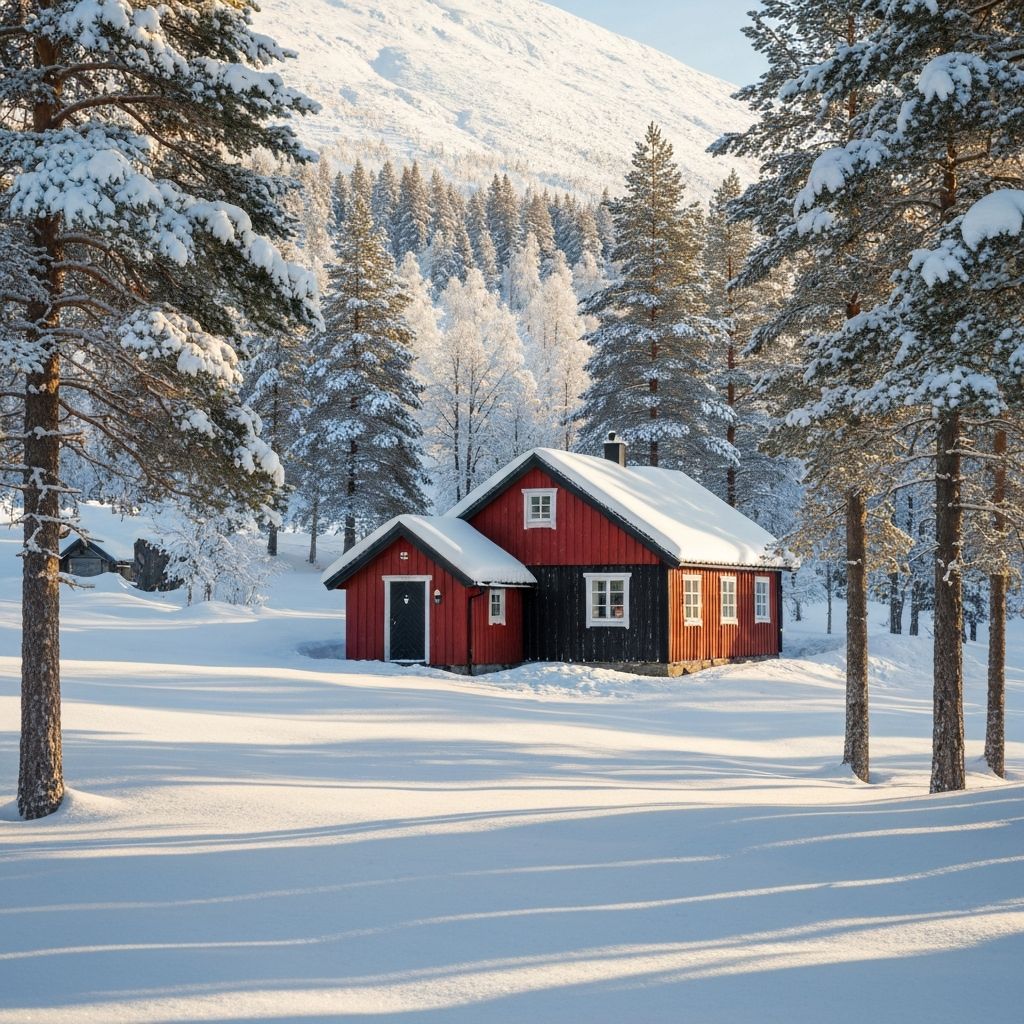
If you do not have access to a cabin yet, do not despair. Plenty of city dwellers stay home and run a low-key version: long walks, an orange in a jacket pocket, and the same TV crime series everyone else is watching. The mood travels even if you do not.
The unofficial Easter menu
There is no strict påske dinner the way there is a fixed Christmas one, but the snacks are non-negotiable. The holy trinity is Kvikk Lunsj (Norway's beloved chocolate wafer bar, essentially a Kit Kat with a hiking permit), oranges, and the orange soda Solo. Marzipan shows up in bar form and shaped into little chicks. For actual meals, lamb is the traditional centrepiece, and open-faced egg sandwiches appear at every breakfast.
The orange thing has real history. Before global shipping, citrus reached Norway mainly in winter, and the fruit arriving around Easter happened to be the sweetest of the season. Eating oranges on a snowy hillside became shorthand for spring itself. If you are still building your Norwegian food vocabulary, our guide to brunost is a good next stop.
Why everything turns yellow
Walk into any Norwegian home or supermarket in the last week of Lent and you will be hit by yellow. Yellow tulips, yellow tablecloths, yellow paper chickens, yellow napkins. After months of darkness, the colour stands in for returning sunlight and new life, and Norwegians lean into it with a sincerity that can catch cynical newcomers off guard. Lean in with them. After your first real Norwegian winter, you will understand exactly why a nation gets emotional about the colour of the sun.
A few Easter words worth knowing
A small vocabulary makes the week friendlier. Wish anyone god påske (happy Easter) from the week before onward. The holiday itself is påske and the time off is påskeferie. A påskeegg is usually not a chocolate egg but a decorated cardboard one filled with sweets, handed to children on Easter morning. The påskehare is the Easter bunny, the påskekylling is the little yellow chick you will see stuck to every window, and påskekrim, of course, is your murder-mystery reading list. Drop a god påske to your neighbours on your way to the mountains and you have already passed the first test.
Common questions about Easter in Norway
When is the Easter holiday in Norway in 2026?
The core break runs from Maundy Thursday, 2 April, to Easter Monday, 6 April 2026. Four of those days are official public holidays, and many people also take the Wednesday, making it a five-day-plus stretch off.
What exactly is påskekrim?
It is the tradition of consuming crime fiction over Easter, in books, on TV and in podcasts. It dates to a 1923 novel whose newspaper advert was mistaken for a real crime report, and it has been a fixture ever since.
Will shops and Vinmonopolet be open?
Regular grocery stores close on the holidays, and Vinmonopolet is shut every holiday. Small kiosks and some petrol-station shops stay open. Buy what you need on the Wednesday before Maundy Thursday.
Do I need to go to a cabin to enjoy it?
No. A cabin is the classic version, but staying in the city with long walks, oranges, chocolate and a crime series gets you most of the way there.
Once you have survived one påske, you are quietly more Norwegian than you were. Next, get the rest of the calendar down with our guide to celebrating 17 May, the other holiday that shuts the whole country down.