Nothing announces that you have arrived in Norway quite like the moment you go looking for a bottle of wine at 8pm on a Sunday and slowly realise it is not going to happen. Alcohol here is legal, popular and woven into weekends and holidays, but it is sold under a system designed to make buying it just inconvenient and expensive enough to slow you down. Once you understand the machinery, it stops being a mystery and starts being a manageable line item.
This is the practical guide I wish someone had handed me on day one: what you can buy where, the rules that actually get enforced, and why your first restaurant bill will make your eyes water.
Quick facts: buying alcohol in Norway
- Grocery stores: beer and cider up to 4.7% ABV only.
- Everything stronger: only at Vinmonopolet, the state monopoly.
- Drinking age: 18 for beer and wine, 20 for spirits over 22%.
- Vinmonopolet hours: roughly 08/09:00 to 18:00 weekdays, 10:00 to 16:00 Saturday, closed Sundays and holidays.
- Grocery beer cut-off: often 20:00 weekdays, 18:00 Saturday, never on Sundays.
- Why it's pricey: high alcohol taxes used as public-health policy.
The split system: grocery store vs Vinmonopolet
Norway divides alcohol into two worlds by strength. Anything at or below 4.7% alcohol by volume, which covers standard lager, cider and a few flavoured drinks, can be sold in a normal supermarket. Cross that 4.7% line and the state takes over. All wine, all spirits, and any strong beer are sold exclusively through Vinmonopolet, the government-owned chain universally shortened to Polet.
This is not a quirk, it is the whole strategy. By keeping stronger drink out of every corner shop and behind a single, limited-hours retailer, Norway makes casual over-buying harder. The upside for you, once you adjust, is that Vinmonopolet is genuinely excellent: knowledgeable staff, a deep and well-organised selection, and no markup games between brands.
The hours are the part that catches everyone
The rule that ruins the most weekends is timing. Vinmonopolet typically opens around 08:00 or 09:00 and closes at 18:00 on weekdays, with shorter Saturday hours of about 10:00 to 16:00. It is closed all day Sunday and on public holidays, including the days around Easter and 17 May. Hours vary by store, so check your local branch.
Grocery-store beer runs on its own clock. Sales usually stop around 20:00 on weekdays and 18:00 on Saturdays, and there is no beer sold in grocery stores on Sundays at all, though the shelves stay stocked, taunting you. The universal newcomer mistake is assuming you can grab wine on the way to a Sunday dinner party. You cannot. Plan on Saturday.
"In Norway, the hardest part of drinking is remembering to buy the alcohol before the state decides you have had enough time to."
Age limits that are actually checked
There are two age thresholds. You must be 18 to buy beer and wine, and 20 to buy spirits or anything above 22% ABV. Unlike some countries where ID checks are theatre, Norwegian shops and Vinmonopolet card people routinely, including people who are visibly well past either age. Keep ID on you, especially a passport or Norwegian ID, because a foreign driving licence is sometimes waved off.
Why your wallet is about to hurt
Alcohol is expensive here on purpose. Norway levies steep taxes on beer, wine and spirits as a deliberate lever to reduce consumption, and those taxes flow straight into the shelf price. A mid-range bottle of wine that would be cheap elsewhere becomes a considered purchase, and a couple of pints at a bar in Oslo can cost more than a full meal in many countries. This is the same high-price logic you will feel across the whole cost of living in Norway.
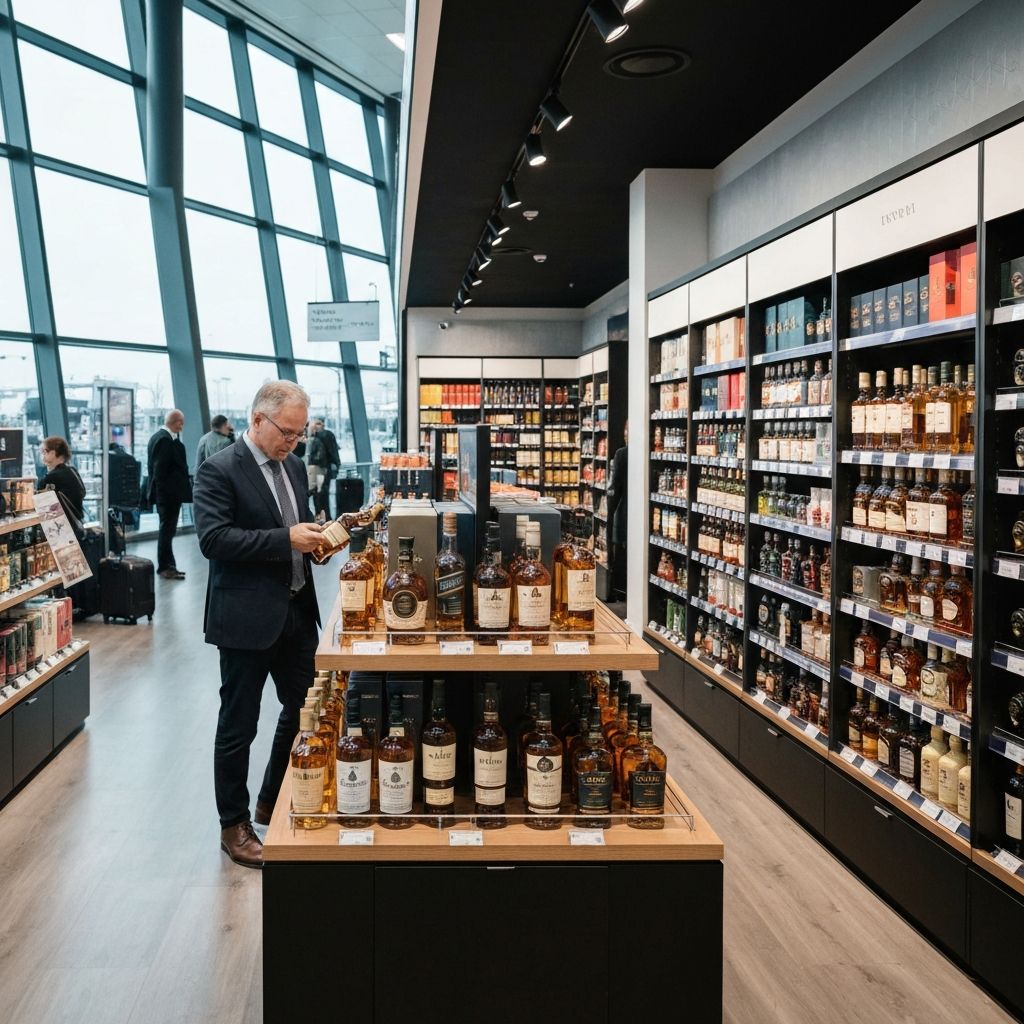
Norwegians adapt in two very logical ways. First, the vorspiel: a pre-party at someone's home where everyone drinks their own cheaper supply before heading out, plus a nachspiel afterwards. Second, duty-free. The airport shop on your way into the country is dramatically cheaper than Vinmonopolet, so locals returning from abroad reliably max out their tax-free allowance. If you are flying in, budget a few minutes and a suitcase corner for it.
Bars, restaurants and drinking in public
Licensed bars and restaurants can serve the full range and keep later hours, though last call is regulated and varies by municipality. Drinking in public spaces such as parks and streets is technically restricted, but a quiet beer in a park on a warm summer evening is widely tolerated in practice. Read the room: a discreet drink in the sun is fine, a rowdy public session is not.
For a quick visual rundown of the rules that trip up visitors, this explainer is a solid primer:
What alcohol actually costs
Numbers make the point faster than adjectives. A pint of beer in an Oslo bar commonly lands somewhere around NOK 100 to 140, which is why a night out adds up alarmingly. A supermarket six-pack of standard-strength beer is far cheaper but still taxed heavily. At Vinmonopolet, an everyday bottle of wine that might cost a few euros elsewhere typically starts well north of NOK 130, and spirits climb steeply from there. The tax is doing the heavy lifting, not the product.
This is exactly why the airport duty-free shop is a Norwegian institution rather than a tourist afterthought. Arriving travellers are allowed a limited tax-free quota, roughly a bottle of spirits plus some wine and a little beer, and locals returning from abroad reliably fill it, because the saving against Vinmonopolet prices is dramatic. If you fly in with an empty allowance, you are leaving free money at the gate. Factor it into how you think about the wider cost of living in Norway.
Common questions about alcohol in Norway
Where can I actually buy wine and spirits?
Only at Vinmonopolet, the state-owned monopoly. Grocery stores are limited to beer and cider up to 4.7% ABV. Bars and restaurants serve everything with a licence.
What is the drinking age?
18 for beer and wine, 20 for spirits and anything above 22% ABV. ID checks are routine, so bring it.
When is Vinmonopolet open?
Roughly 08:00 to 18:00 on weekdays, with a 09:00 start on Wednesdays, and 10:00 to 16:00 on Saturdays. Closed Sundays and public holidays, with hours varying by store.
Why is it all so expensive?
High alcohol taxes, used deliberately as a public-health tool. Duty-free on arrival and pre-drinking at home are how locals soften the cost.
Now that you can find a drink, sort out the payment side of Norwegian life with our guide to getting set up on Vipps, and see where the beer sits on the shelves in our supermarket guide.