Every January, searches for "salary in Norway" spike, because that's when Norwegians open their payslips, compare notes and quietly judge each other. Let me save you the search: the average monthly salary in Norway hit 62,070 NOK before tax in 2025, per Statistics Norway (SSB). That's the headline. The interesting stuff is underneath it.
Quick facts: Salaries in Norway (SSB, 2025)
- Average monthly earnings: 62,070 NOK before tax (~745,000 NOK/year).
- Median monthly earnings: 55,800 NOK, the more representative number.
- Growth: up 4.5% from 59,370 NOK in 2024.
- By gender: men averaged 65,610 NOK, women 57,690 NOK.
- Minimum wage: none nationally; collective agreements set the floors.
- Typical effective tax: roughly 25-35% for most full-time earners.
Average vs median: which number to trust
The 62,070 average gets pulled upward by oil, shipping and finance money. The median, 55,800 NOK a month, tells you what the person next to you on the tram probably earns. Both numbers grew 4.5% year over year, which mattered because it finally outpaced inflation again. If you're benchmarking a job offer, benchmark against the median for your field, not the national average.
The great Norwegian compression
Here's the thing that breaks American brains: the gap between the lowest and highest salaries is small. A supermarket cashier earns a wage you can live on. A CEO earns a multiple of that which would embarrass an American board into laughter. This is by design, negotiated over decades by strong unions, and it connects directly to Janteloven: conspicuous salary flexing is culturally radioactive. The result is that Norway is a fantastic place to earn an ordinary salary and a mediocre place to get rich, which, depending on your politics, is either the bug or the feature.
"Norway is the best country in the world to be average in, and I mean that as the highest possible compliment."
No minimum wage, and yet
Norway has no legal national minimum wage, a fact that surprises people until they learn why: unions and employer associations negotiate pay floors sector by sector, and in industries prone to exploitation, like construction, cleaning and hospitality, those rates are legally binding for every worker, unionized or not. The floors sit far above anything a US or UK minimum-wage worker would recognize. If you're job hunting, start with our guide to finding a job in Norway.
What actually lands in your account
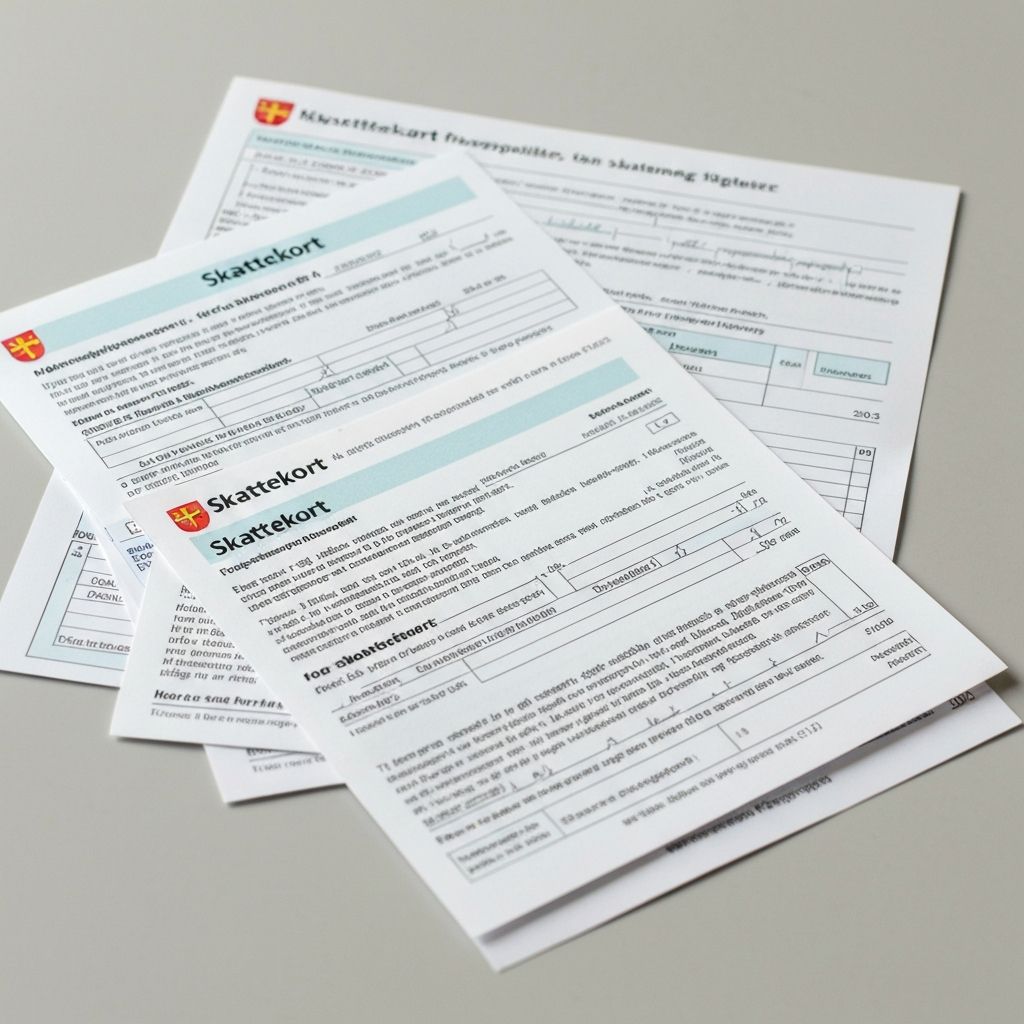
Norwegian income tax is a stack: a 22% flat rate on ordinary income, plus a progressive bracket tax called trinnskatt that phases in from under 2% to just under 18% as income rises, plus a social security contribution of just under 8%. Sounds brutal, totals out humane: most full-time earners pay an effective 25-35%, and the top marginal rate lands around 47%. It's withheld automatically via your skattekort, the pre-filled tax return arrives in spring mostly done, and you approve it from your couch. Coming from the American receipts-in-a-shoebox tradition, this feels like witchcraft.
Feriepenger: the forced savings plan you'll learn to love
Norway pays holiday money instead of salary during vacation. Roughly 10-12% of what you earn this year is set aside and paid out next summer as feriepenger, right before everyone disappears to the hytte or to Syden for July. Your first June payout feels like free money. It is not free money. It is your money, held hostage by the calendar, and it is the reason the entire country can afford to stop working in July.
Everyone can see your taxes (sort of)
Norwegian tax records are public. You can search what your neighbor, your boss or your ex earns, with one catch introduced to save the culture from itself: the person you search gets notified. This single design decision converted tax-snooping from a national sport into a game of chicken. It's also peak Norway: radical transparency, politely enforced.
Common questions about salaries in Norway
What's the average salary?
62,070 NOK per month before tax in 2025 (SSB); the median is 55,800 NOK.
What's a good salary in Oslo?
700,000-900,000 NOK per year is comfortable; over 1 million is senior-professional territory.
How much goes to tax?
Effectively 25-35% for most earners; the top marginal rate is around 47%.
Is there a minimum wage?
No national one; sector collective agreements set binding pay floors in exposed industries.
Now that you know what comes in, see where it goes with our cost of living breakdown, and get the plumbing sorted with a Norwegian bank account.